
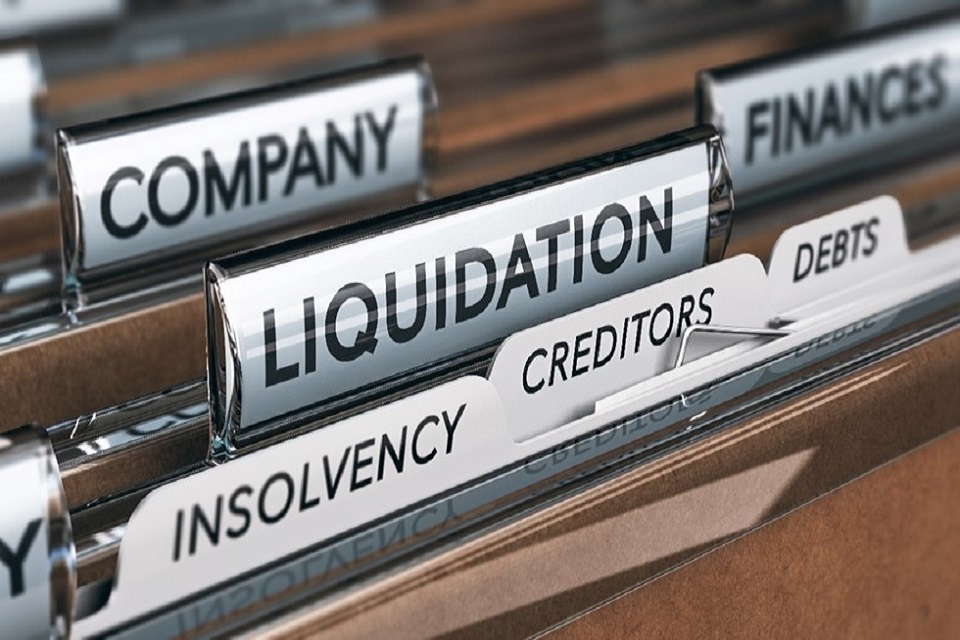
Insolvency is an issue that many businesses prefer not to think about but it is a reality that affects thousands of companies across the UK each year. With economic pressures affecting cash flow, supply chains and operational costs, even well managed businesses can find themselves facing financial difficulty. For companies operating in London and Canary Wharf where commercial rents, staffing expenses and competition are significant, understanding insolvency is essential for strategic planning and long term stability.
Insolvency does not always mean the end of a business. It is a legal state that triggers important protections for creditors and offers structured processes for companies to recover, reorganise or close in an orderly manner. Early professional advice allows directors to take control of the situation and explore every available option.
What Is Insolvency
Insolvency occurs when a business can no longer pay its debts as they fall due or when its liabilities outweigh its assets. UK law recognises both cash flow insolvency and balance sheet insolvency. Many businesses experience temporary cash flow issues without becoming insolvent, but persistent inability to meet financial commitments is a clear warning sign.
When a business becomes insolvent certain legal obligations arise. Directors must prioritise the interests of creditors and avoid actions that may worsen their financial position. Understanding these duties is crucial for avoiding allegations of wrongful or unlawful trading.
Identifying financial distress early gives directors the best chance of saving the business. Common warning signs include:
• Consistent inability to pay suppliers
• Pressure from HMRC regarding overdue tax
• Increasing creditor demands or statutory demands
• Reliance on short term borrowing
• Falling revenue with no clear recovery plan
• Difficulty meeting payroll
• Directors injecting personal funds to keep operations running
Recognising these signs allows the business to act quickly and responsibly.
Directors Duties During Financial Difficulty
Once a company is at risk of insolvency directors have a duty to act in the best interests of creditors. This means they must avoid taking on new debts they cannot repay, refrain from making preferential payments that favour one creditor over another and ensure decisions are properly documented. Failure to meet these obligations can result in personal liability, disqualification or court orders.
Directors should seek legal advice as soon as they believe the company may be insolvent. This advice provides clarity on the steps they must take and ensures they are acting within the law.
Options Available to Insolvent or Struggling Businesses
Insolvency is not always terminal. There are several formal and informal options available to businesses in financial distress. Choosing the right approach depends on the company’s financial position, creditor relationships and long term viability.
A CVA allows a company to reach an agreement with creditors to pay back a portion of its debts over time while continuing to trade. This is often used by businesses with strong underlying operations but temporary financial challenges.
Administration offers protection from creditors while an insolvency practitioner takes control of the company. The aim is to rescue the business or achieve a better return for creditors than immediate liquidation. For companies in London and Canary Wharf administration can provide breathing space to restructure operations or sell parts of the business.
If recovery is not possible liquidation may be necessary. Creditors voluntary liquidation allows directors to close the company in an orderly manner and reduce the risk of personal liability. Compulsory liquidation occurs when a court orders the company to close after a petition from a creditor.
Some businesses benefit from informal negotiations with suppliers or lenders. These discussions can result in extended payment terms or revised agreements without entering a formal insolvency process.
The Importance of Accurate Financial Records
Insolvency practitioners and courts look closely at a business’s financial records when assessing the company’s position. Companies must keep accurate accounting information, contracts, payroll records and tax filings. Poor record keeping can create difficulties when managing insolvency and may lead to allegations of misconduct. Well maintained financial records support transparency and help identify the best path forward.
How Insolvency Affects Employees
When a business enters insolvency employees have specific rights including redundancy pay, notice pay and holiday pay. In administration employees may continue working if the business is trading under supervision. In liquidation employees are typically dismissed and can make claims through the Redundancy Payments Service. Understanding these rights helps businesses manage staff communication sensitively and lawfully.
Impact on Creditors and Supply Chains
Creditors may include suppliers, banks, landlords, HMRC and lenders. Insolvency processes determine how these creditors are paid and in what order. Secured creditors often have priority while unsecured creditors may receive a smaller proportion of their debts. Effective communication with creditors can help preserve relationships and may support future business restructuring.
Large commercial centres such as Canary Wharf rely heavily on long standing supplier relationships. Clear communication and early negotiation can help stabilise operations during financial distress.
Why Early Legal Advice Is Essential
Businesses facing insolvency often delay seeking advice out of concern or uncertainty. This delay can make the situation worse. Early legal advice allows directors to understand their duties, explore restructuring options and avoid decisions that may lead to personal liability. Solicitors can work alongside accountants and insolvency practitioners to develop a plan tailored to the business.
Legal advice is also important for businesses dealing with creditor pressure, statutory demands or winding up petitions. Responding promptly protects the company’s position and may prevent escalation.
Insolvency is a challenging experience for any business but it does not always signal the end. Many companies restructure successfully and continue trading with the right support. Understanding the legal obligations and exploring available recovery options helps directors make informed decisions that protect both the business and its stakeholders.
If your business is experiencing financial difficulty or you have concerns about insolvency, Penerley Solicitors is here to help. Our commercial law team in London and Canary Wharf can guide you through your duties, explain your options and support you in making the best decisions for your organisation. Contact us today for clear and confident legal advice.
