
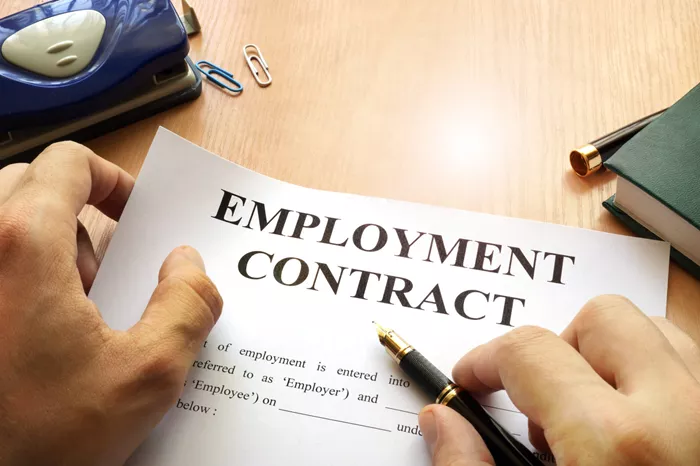
Changes to employment contracts are a common source of workplace disputes. Employees are often told that their role, hours, pay, or place of work is changing and are left wondering whether they have any choice in the matter. Employers, on the other hand, may assume they can make changes to meet business needs.
In England and Wales, the starting point is clear. An employment contract is a legally binding agreement. In most circumstances, an employer cannot change the terms of a contract without the employee’s consent. However, there are limited exceptions, and the consequences of getting this wrong can be significant for both parties.
At Penerley Solicitors, we regularly advise employees and employers across London on contract changes, workplace disputes, and unfair dismissal risks. Understanding the legal position before changes are imposed is essential.
The legal position on changing employment contracts
An employment contract sets out agreed terms such as pay, working hours, duties, location, and benefits. Once agreed, those terms cannot usually be changed unilaterally.
If an employer attempts to impose a change without consent, this may amount to a breach of contract. In serious cases, it can give rise to claims for unlawful deduction from wages, breach of contract, or constructive dismissal.
There are some situations where employers argue they can change contracts lawfully. These include where the contract contains a flexibility clause, where changes are agreed collectively, or where the employer seeks consent through consultation. Each of these scenarios must be handled carefully.
Flexibility clauses allow employers to make certain changes, but they are interpreted narrowly by the courts. A clause must be clear and specific. Broad wording giving an employer unrestricted power to change terms is unlikely to be enforceable. Even where a flexibility clause exists, employers must exercise it reasonably and in good faith.
Where no contractual right exists, employers should consult with employees and seek agreement. This may involve offering incentives or explaining the business rationale for the change. Simply announcing a change and expecting compliance is risky and often unlawful.
What happens if an employer imposes changes anyway?
Some employers proceed with changes without agreement, assuming employees will accept them by continuing to work. This approach carries legal risk.
An employee faced with an imposed change generally has three options. They may accept the change, either expressly or by continuing to work without objection. They may work under protest, making clear they do not accept the change while continuing employment. Or they may resign and claim constructive dismissal if the change amounts to a fundamental breach of contract.
Which option is appropriate depends on the circumstances. A reduction in pay, significant change in duties, or relocation may be more likely to be considered fundamental. Minor or temporary changes may not justify resignation.
Employees should be cautious about continuing to work without raising objections, as this may be treated as acceptance over time. Clear communication and early legal advice are crucial.
In some cases, employers dismiss employees who refuse to accept new terms and offer re engagement on revised contracts. This can still be unfair dismissal unless the employer can show a fair reason and that it acted reasonably, including proper consultation and consideration of alternatives.
Common contract changes and key risks
Disputes most often arise in relation to changes to pay, working hours, job roles, and place of work. Each carries different legal risks.
Pay reductions without consent are almost always unlawful and may also constitute unlawful deductions from wages. Changes to hours or duties may be permissible only if the contract allows for them or if the changes are minor.
Relocation clauses are another common area of dispute. Even where such a clause exists, employers must consider reasonableness, notice, and the employee’s personal circumstances.
Key risks for employers include claims for unfair dismissal, breach of contract, and damage to employee relations. For employees, resigning too quickly or failing to preserve objections can weaken potential claims.
Practical steps for both parties include:
-
Reviewing the written contract carefully before any changes are implemented
-
Checking whether a valid flexibility clause applies
-
Raising concerns or objections promptly and in writing
-
Seeking legal advice before resigning or imposing changes
-
Exploring alternatives such as temporary changes or negotiated agreements
When legal advice is essential
Contract changes can have lasting consequences. What may appear to be a small adjustment can have serious legal implications if handled incorrectly.
For employees, early advice can help determine whether a proposed change is lawful and what options are available. For employers, advice can help structure consultation properly, minimise risk, and avoid costly disputes.
At Penerley Solicitors, we provide practical and strategic advice on employment contract changes, workplace disputes, and dismissal risks. We act for both employees and employers and understand the importance of resolving issues efficiently and proportionately.
How Penerley Solicitors can help
Whether you are an employee facing unwanted changes to your contract or an employer considering restructuring or operational changes, specialist advice is key.
Penerley Solicitors advises clients across London on employment contracts, workplace disputes, and employment tribunal claims. We focus on clear advice, early intervention, and protecting your legal position.
If you are concerned about changes to your employment contract or need advice on how to proceed, contact Penerley Solicitors today to arrange a confidential consultation and discuss your options.
