
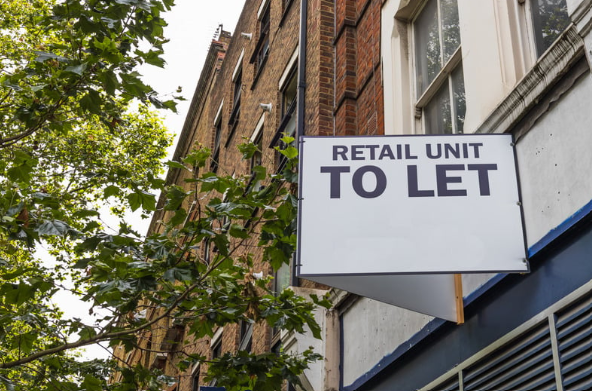
A commercial lease is a legally binding agreement between a landlord and a business tenant that allows the tenant to occupy and use a property for commercial purposes. These agreements are fundamental to the operation of many businesses across England and Wales, whether the premises are used as offices, retail units, warehouses, or industrial spaces.
Unlike residential tenancies, commercial leases are often more complex and negotiable. They can involve long terms, detailed obligations for both landlord and tenant, and significant financial commitments. Understanding how commercial leases work is therefore essential for both landlords and tenants to protect their legal and financial interests.
This guide explains what a commercial lease is, the key terms typically included, and the legal framework governing these agreements in England and Wales.
What Is a Commercial Lease?
A commercial lease is a contract that grants a business the right to occupy and use a property owned by a landlord for a specific period of time in exchange for rent.
Commercial leases are used for a wide range of business premises, including:
-
Shops and retail units
-
Offices and business centres
-
Restaurants and hospitality venues
-
Warehouses and industrial premises
-
Professional service premises such as clinics or salons
In England and Wales, commercial leases are governed primarily by contract law and property law, rather than the stricter statutory protections that apply to residential tenants. This means that many of the terms can be negotiated between the landlord and the tenant before the lease is signed.
A key piece of legislation that often applies to commercial leases is the Landlord and Tenant Act 1954, which gives business tenants certain rights to remain in the property and request a lease renewal when the lease term ends, unless the lease has been formally “contracted out” of these protections.
Because commercial leases can have long-term financial implications, it is essential for both parties to fully understand the terms before entering into the agreement.
Key Terms Found in Commercial Leases
Commercial leases typically contain detailed provisions that set out the rights and responsibilities of both landlord and tenant. While each lease can vary depending on the property and negotiation between the parties, several key clauses are commonly included.
These usually cover matters such as:
-
Rent and rent review provisions, including how and when rent may increase during the lease term
-
Lease length, which can range from a few years to several decades
-
Repair and maintenance obligations, specifying whether the tenant or landlord is responsible for maintaining the property
-
Permitted use, outlining how the property can legally be used by the tenant
-
Break clauses, which may allow either party to terminate the lease early under certain conditions
Many commercial leases are drafted as full repairing and insuring leases (FRI leases). Under this type of lease, the tenant is usually responsible for maintaining and repairing the property as well as contributing to building insurance costs.
Service charges may also apply, particularly in multi-occupancy buildings or commercial estates, where tenants contribute towards shared maintenance such as cleaning, security, or building management.
Because these terms can significantly affect a business’s financial commitments, it is advisable to seek legal advice before signing a commercial lease.
Security of Tenure Under the Landlord and Tenant Act 1954
One of the most important legal protections affecting commercial leases in England and Wales is security of tenure under the Landlord and Tenant Act 1954.
Where security of tenure applies, a business tenant has the right to remain in the property and request a new lease at the end of the term. This is designed to protect businesses from losing their premises without good reason.
However, landlords may exclude these rights by contracting out of the Act before the lease is granted. This is common in modern commercial leasing and requires a formal legal process to ensure the tenant understands that they are giving up statutory renewal rights.
If security of tenure applies and the lease ends, the landlord must follow the legal procedures set out in the Act if they wish to regain possession. Grounds for opposing renewal include situations where the landlord intends to redevelop the property or occupy the premises themselves.
For tenants, these rights can provide stability and long-term business security. For landlords, they require careful consideration when drafting lease agreements and planning future use of the property.
Negotiating a Commercial Lease
Commercial leases are rarely “one size fits all”. Unlike residential tenancy agreements, many terms can be negotiated between the landlord and the tenant before the lease is finalised.
Key issues often negotiated include rent levels, rent-free periods, repair obligations, service charges, and the length of the lease. Businesses may also negotiate break clauses or flexibility around permitted use if their operations may evolve over time.
From a landlord’s perspective, it is important to ensure the lease adequately protects the value of the property and clearly sets out the tenant’s obligations. From a tenant’s perspective, the focus is often on controlling costs, maintaining flexibility, and avoiding unexpected liabilities.
Because commercial leases can run for many years and involve substantial financial commitments, professional legal advice is essential. A solicitor can review the lease terms, identify potential risks, and negotiate amendments where appropriate.
Properly drafted leases can help avoid disputes later and provide clarity for both parties throughout the duration of the agreement.
Conclusion
Commercial leases play a crucial role in the business property market across England and Wales. They provide the legal framework that allows businesses to operate from rented premises while protecting the rights and interests of landlords.
However, commercial leases can be complex and involve significant legal and financial responsibilities. Key issues such as repair obligations, rent review clauses, and security of tenure under the Landlord and Tenant Act 1954 must be carefully considered before signing.
Whether you are a landlord granting a lease or a business tenant taking on new premises, obtaining professional legal advice can help ensure the lease is fair, compliant with the law, and suitable for your long-term needs.
Need Advice on a Commercial Lease?
If you are entering into a commercial lease, renewing an existing lease, or dealing with a dispute relating to business premises, expert legal advice can make a significant difference.
Penerley’s experienced property law team advises landlords and business tenants across England and Wales on all aspects of commercial leases, including drafting agreements, negotiating terms, and resolving disputes.
Contact Penerley today to speak with a specialist solicitor and ensure your commercial lease is legally sound and protects your interests.
